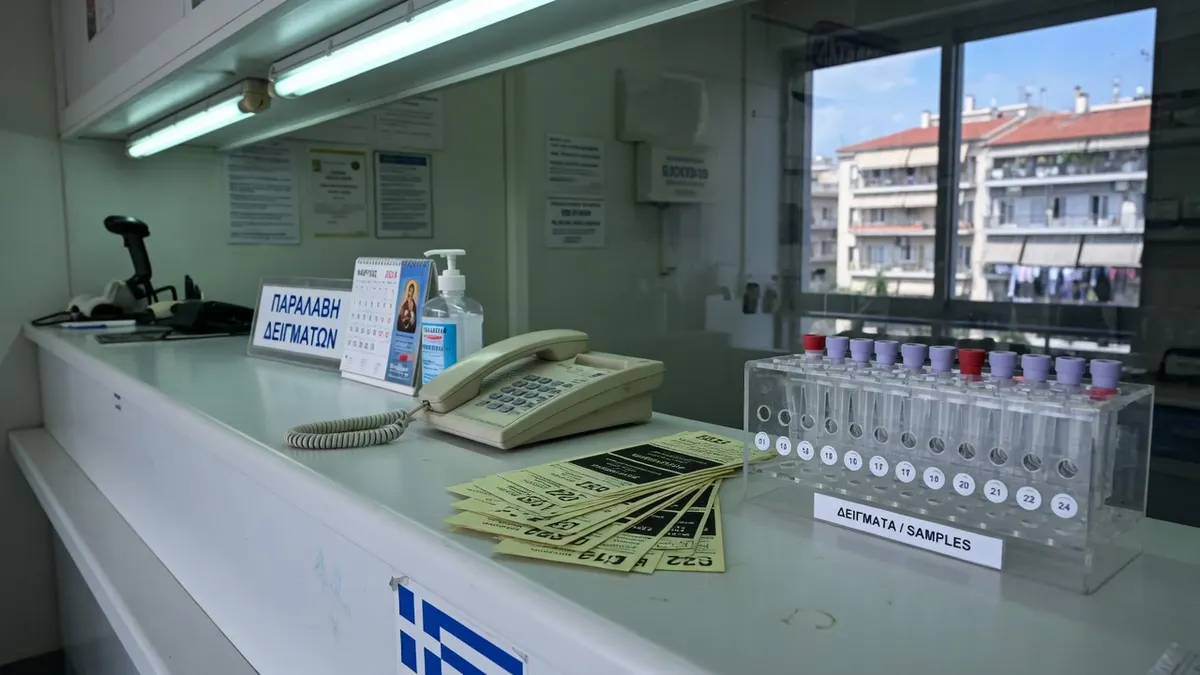
Results-ready and draw reminders for diagnostic labs
Quick summary
- You are labelling a tube. The printout pile and tomorrow's fasting chairs still have to be chased.
- The list is a named patient, a draw reminder, or a collection notice. Not a second opinion on a number.
- Every call starts with the name on the file. If they do not recognise them, the call stops.
- It does not say the result is normal. Ready is a yes or no on collection. What the paper means is a callback.
- If they ask whether a value is fine, the assistant writes the question down and says someone from the lab will call.
- SMS does the first reminder. The voice call is for the chair that is still empty the afternoon before.
TL;DR
You are labelling a tube. Twelve printouts are still uncollected and tomorrow's 07:40 chairs have not been confirmed. Nobody is going to spend the afternoon ringing. An assistant works the list you give it: name on the file, one purpose. It asks whether they will come for the draw. It does not say what the paper means, whether anything is normal, or what a panel costs unless you marked a figure speakable. If they ask, it writes the question down and says someone from the lab will call. It can book a hatch time if that slot is free. It will not ring a spouse's mobile about someone else's result.
Key takeaways
- Build each list from your own files: name, the number on the file, and one purpose.
- Do not put a personal mobile on a results chase unless that number is the number on the file.
- Write the purpose as a reminder or a chase, not as a question about a value.
- If the patient asks whether anything is normal, the assistant ends the interpretation and flags the lab to call back.
- Check the diary before you speak a time. Do not read 07:40 off yesterday's pad.
- Keep ranges, diagnoses and “fine” off the script. Someone from the lab will call. The doctor interprets.
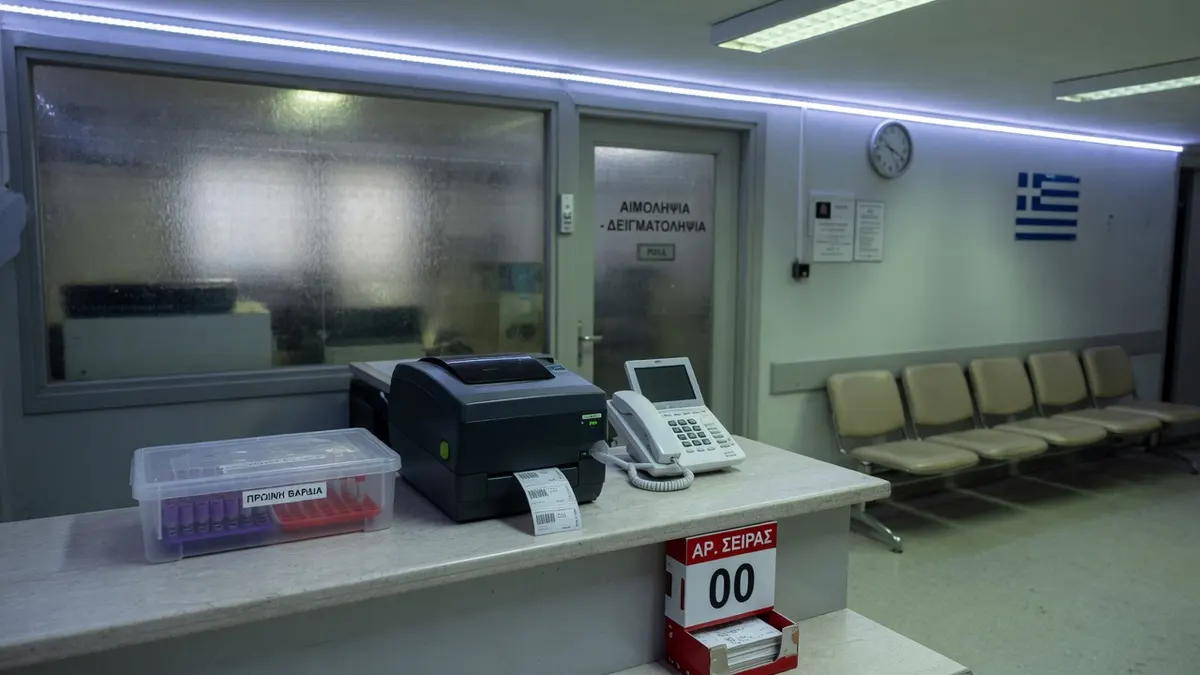
The list on the pad while you label a tube
The printouts moved. Twelve papers are still in the tray. Tomorrow at 07:40 five chairs are still a maybe. Monday the door opens at seven and an empty fasting chair is a vein you will not fill.
You will not spend the afternoon on those calls. You have a syringe in your hand.
An assistant works a list you built: name on the file, the number on the file, one purpose. It does not wander. It does not “while I have you” into a TSH.
SMS first. Voice for the chair that did not confirm.
One purpose, the name on the file
Every outbound call starts with the name as it stands on your paper. If the person who answers does not recognise that name, the call stops. It does not explain who Eleni is to a stranger. It does not ask them to pass a result to a husband.
The purpose is one of a short set you wrote:
- the printout is ready to collect, no value
- confirm tomorrow’s chair
- the lab is closed tomorrow
- a home-draw window, with the address already on the file
It is not: is it normal, what was the number, should they worry, may they drink coffee, unless that named test has a speakable preparation line, what does the month’s panel cost, unless you marked a figure speakable.
If they ask a second question, the assistant writes it down and flags you. The chase does not become a clinic.
Numbers you may not ring
The number on the file. That is the list.
A husband’s mobile you overheard at the hatch is not a contact until you wrote it down. A carer’s number that was never given to you is not a contact. A doctor’s private mobile is not a contact for this chase.
Outbound about a result is how a lab gets into a conversation it should not have. Keep the file strict.
If they say the doctor should not be copied, stop. Flag a person. The assistant does not edit the file from this call.
Ready is not normal
A printout is at the hatch. You want that tray smaller before Friday.
The assistant may say a paper is ready, if that is the purpose. It may book a hatch time the diary actually has. It may not say the paper looks fine. It may not say the paper looks worrying. It may not read a line “so they will come.”
If the file is not ready after all, the assistant does not keep the old sentence. You update the list before it rings.
It does not sweeten the call with “nothing to worry about.” That sentence is interpretation, and it is how you own a number you have not discussed with the doctor.
Chairs are a yes or no
“Will you come at 07:40?” Yes, no, or move.
A move checks the diary first. It does not read 08:10 off yesterday’s pad. If they have eaten and the slot was fasting, do not keep them on 07:40. Book a non-fasting type if you have one, or flag you.
Two hours before a Monday list, this call is worth more than a text they already ignored. That is why it is voice.
Closures, short mornings, August
A public holiday reminder is a list. Name, number on the file, one sentence you wrote: the lab is closed tomorrow.
It does not add a fasting sermon for the long weekend unless the named test has a speakable line. It does not call a number that is not on the file to “make sure someone knows.”
August short days belong on the same kind of list, sent before the week begins. Do not let the assistant book a chair into the mornings you are dark. Check the diary first.
When the patient turns the call around
They will. You rang about 07:40. They ask about the TSH, the husband, the coffee, the doctor.
The assistant names the original purpose, refuses the extra, flags you. It does not answer the extra to keep them friendly. A friendly “it’s probably fine” on an outbound chair reminder is still a result on the recorded line.
If they are angry that a paper is late, it does not argue. It takes a number and a time for the lab to call back.
If they say they are at the hatch now and want the number read, that is no longer outbound. Transfer. Do not read it.
If they describe chest pain while you were confirming a chair, transfer. A reminder is not a triage that invents calm.
What you put on the script, and what you keep off it
On: name, your lab name, one purpose, a diary check before any time, the sentence that someone from the lab will call, the sentence that only the number on the file is in use.
Off: values, ranges, normal, not normal, diagnoses, what a test is for, coffee rules you did not mark, a spouse, a price you did not mark speakable, a chair the diary cannot see.
Rehearse the first twenty calls. That is where an “it’s fine” appears because the list felt cold.
Rates live on the pricing section of the home page.
AI receptionist, in-house staff, or a call centre
| CITT | In-house | Call centre | |
|---|---|---|---|
| Collection notice when a printout is ready | Yes, from your list | When someone has time | If you write a script |
| Fasting-chair reminders | Yes | Yes | Sometimes |
| Starts with the name on the file | Yes | Yes | If you insist |
| Names a value to hurry collection | Never — someone from the lab will call | The doctor does, after the file | A risk if the script drifts |
| Answers whether they should worry | No — flags the lab | The doctor does | Must not; sometimes does |
| Offers a chair the diary does not have | No — checks the diary, or takes a callback | If they check | Often from yesterday's pad |
| Rings a spouse about someone else's result | No — only the number on the file | Only if you said so | A risk if the list was not read |
What unconfirmed fasting chairs cost one week
Worked from these assumptions — change any of them and the answer changes:
- Two chairs, 18 booked Monday fasting draws, each waiting on a confirmation the afternoon before.
- This example treats 5 of those 18 as still unconfirmed at 16:00.
- An empty fasting chair is worth about €35 of private work — put your own figure in.
- Of those 5, 2 do not come. The other 3 still come if chased.
- 5 chairs still unconfirmed the afternoon before.
- 2 empty chairs if nobody rings. 2 × €35 = €70 of that Monday morning.
- The chase is a named patient and a yes-or-no on attendance, not a conversation about the last TSH.
About €70 from one unchased Monday — only if you accept those two empties. Change it.
What it costs
CITT is pay as you go: no packages, no minimum, no contract. The current rates — the monthly fee per number and the per-minute rate — are on the pricing section of the home page, which is the only place they are published.
Frequently asked questions
Can it ring a husband who is not on the file?
No. Outbound uses the number on the file. A spouse's mobile you heard at the hatch is not a number you may chase for results, unless you wrote it on that patient's file as a contact. The assistant will not ring a family member about someone else's paper.
Can it say the results are ready and they look fine?
It can say a printout is ready to collect, if that is the purpose you wrote. It must not say they look fine, they look worrying, or any value. Ready is a hatch fact. Fine is a clinical sentence.
What if they ask what the TSH was while you are reminding them of 07:40?
The reminder stops being a reminder. The assistant writes the question down, says it cannot read a result, and flags you. It does not answer “while it has them on the line.”
Can it remind the whole list that tomorrow is a public holiday?
Yes, from a list you built: name, the number on the file, one purpose. It does not invent who is booked. It does not add a fasting sermon for the long weekend unless that named test has a speakable line.
What if they say the doctor should not be copied?
Stop. Flag a person. The assistant does not change who receives a result because someone asked on this call.
Do we still send the SMS first?
Yes. SMS does the first reminder. The voice call is for the chair that is still empty, or the printout that has sat three days. See [pricing](/en/#pricing) for how calls are charged.