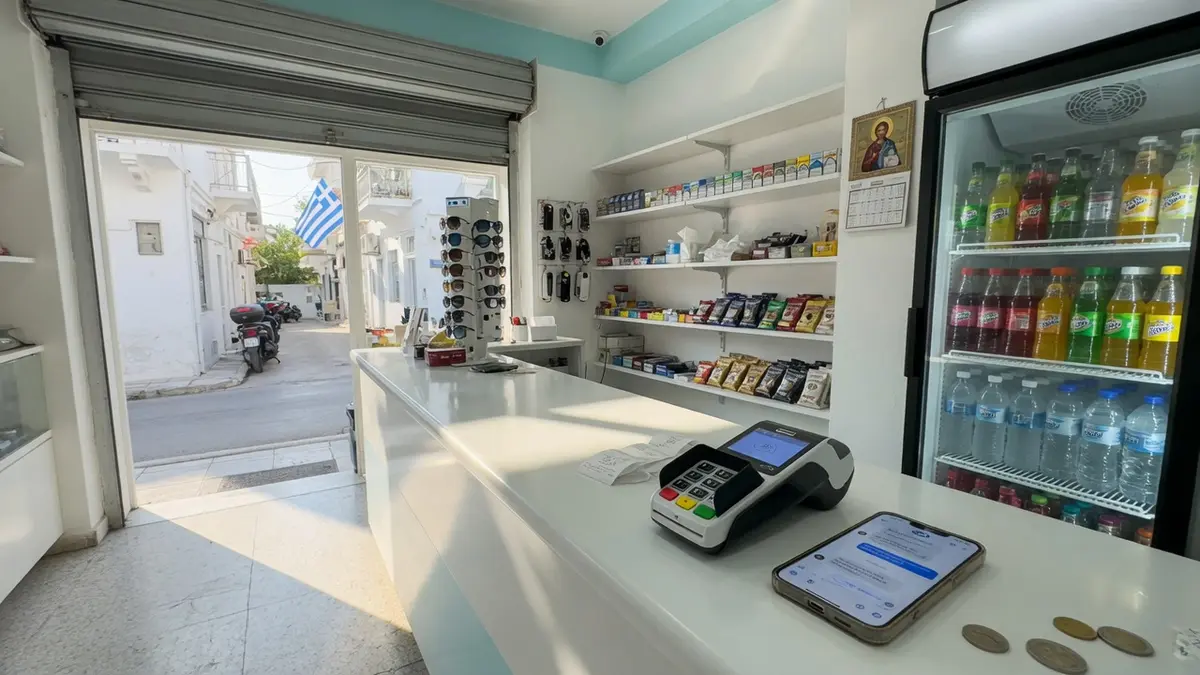
Ready-order callbacks for a small shop
Quick summary
- The first outbound that pays is a ready-order call. A finished job under the counter is work you have already done.
- A quote follow-up is a check, not a second pitch. Are they still interested. Do the facts still hold. Then you call if a figure is needed.
- A reminder for a collection or a visit keeps someone from standing in an empty doorway, which in a one-person week is an hour you do not get back.
- The assistant does not invent a new price, a new date, or a yes on the way out any more than on the way in.
- If the sentence is not on the row, it does not get said. Outbound is how a guessed line becomes a call you chose to make.
- Take a number off the list the same day they ask. A small shop cannot afford to sound like a call centre.
TL;DR
You have a finished job under the counter and a name on the bag. You meant to ring them at lunch. You were serving. By six the shutter is down and the bag is still there. Outbound, here, is those calls: the ready order, the quote on the pad, tomorrow's four o'clock. An assistant can place them from the book and the calendar you already keep. It may say what you wrote. It may not invent a new price, a Friday, or a yes. If the row does not hold the sentence, it takes a number and you ring them yourself.
Key takeaways
- Start with orders the book already marks ready. That list is short and true.
- Remind tomorrow's collections and visits from the same calendar you look at.
- Follow a quiet quote as a check on the facts, not as a new price.
- Write the script so it cannot say a figure or a day that is not on that row.
- Take a number off the list the same day they ask you to stop.
- Listen to the first thirty outbound recordings for a yes you did not write down.

The bag under the counter
You finished the job this morning. It is in a bag under the counter with their name on it. You meant to ring them at lunch. Lunch was the courier with a device to sign, then two people at the till, then a print that could not wait. At six you pull the shutter. The bag is still there.
That is outbound in a one-person shop. Not a campaign. Not everyone who ever stood at the glass. Three conversations the week already implied: the order that is ready, the quote on the pad, the person who said they would come at four. You can see the names. You do not ring them, because both hands are on a card in the machine, or on a box, or on the wheel of the van.
The assistant can spend half past six on the ready names after you lock up. It may say what the book and the calendar already hold. If the sentence is not there, it takes a number and you ring them yourself.
Why those calls never go out
The same adult cannot take money and place a careful call at the same time. The hour a ready call should go out is the hour someone is already in front of you.
Someone is at the counter. Their card is in the machine. You are not going to put them on hold so you can tell Kostas his order is ready. Kostas waits. Tomorrow he rings the next similar place on the street, or he does not come, and the bag stays under the counter.
You are in the back. A screen is open and the adhesive is still wet. A key is in the cutter. The phone is on the counter you cannot reach without putting the work down. The ready names are on a scrap of paper next to that phone. Nobody is dialling them.
You are in the van. A delivery that was promised for this morning is on the seat beside you. The shop is empty. The names you meant to ring at eleven are still on the pad. You cannot reverse into a loading bay and tell someone their order is ready.
You have pulled the shutter. Many shops in Greece still close from two until half past five, then lock again after the evening. Half past six is when they can pick up, and when you are counting the till. So the call waits until morning, when they are in a meeting and you are serving again.
A recording that says “leave a message” does not collect a finished job. The person who already paid, or already agreed, is waiting for you to speak first.
Three lists, in that order
Ready for collection, or ready to drop off. Fed from the book you actually trust, not from a memory of who you meant to ring. The sentence is short. The thing is done. If you do not ring, the work you have already put in stays where nobody can use it. If the book is wrong, fix the book before you turn the voice on. An outbound “it’s ready” for something that is still on a supplier’s floor is a complaint you placed in someone’s evening.
Tomorrow’s hours. Collections, come-ins, visits you are making. A reminder from the same calendar you look at. The assistant checks that the hour is still there before it speaks it. If they need to move, release the old hour, take the new one only if it is free, and send no text until the new hour exists. A Tuesday-night “I can’t do Wednesday” is a hole you can still fill. A Wednesday they do not come is an hour you already spent waiting.
Do not let a reminder talk about ready-status unless that fact is on the same row. “See you at four” is a diary fact. “And it will be ready” is an order-book fact. Mixing them is how a visit reminder becomes a status argument on a recording.
Quotes that went quiet. Not a second pitch. A check. Do they still want it. Is the quantity the same. Do they want you to call about the figure. The assistant does not improve the number to close them. A new figure is you, on a call you decided to have.
There is a fourth list people reach for too early: everyone who ever rang, everyone who stood at the counter, everyone who sent a photo on Viber in the spring. That is how a small shop starts to sound like a machine on the street it lives on. Leave that list off.
You placed the call
You chose the moment. If the sentence is wrong — ready when it is not, Saturday when you are closed, a price you had not agreed — you cannot blame a live incoming question. You wrote the row. You let the assistant dial it.
The usual version in this kind of shop is “come tomorrow”, said because it felt like progress. Tomorrow the shutter is down, or the part has not arrived, or you are on the van. The person takes time off work. They stand in the doorway. That is a complaint you originated.
The other version is the helpful extra. They hesitate, so the assistant trims the price, or promises Friday, or says yes to a quantity you have not seen. The script will do that on every call if you allow anything that sounds like closing. Do not allow it.
A third version is quieter. The book said ready this morning. At four the last fitting failed, or the Athens van never came. Nobody took the name off. The assistant rings at half past six and tells them to come. They come. You spend the next morning on an apology.
Ready and almost-ready are not the same list
“It’s with the supplier” is not ready. “It should be here tomorrow” is not ready. “I finished it except for the last bit” is not ready. Only the book-says-ready row goes on the outbound list.
Almost-ready is how you send someone to an empty counter. They took an hour off. They found parking. The shutter was up. The bag was not there, or it was there with a screw missing, or the print was still in the machine.
If you want to tell people a thing is close, that is your call, because you can hear whether they are about to take time off work. Do not give the assistant an almost-ready list. Feed the ready names from the book the same day, after you have actually finished. If you do not trust the book this afternoon, do not let anything dial from it this evening.
The rule the assistant must obey
If it is not written down, we do not say it. If we need to say something that is not written down, a person calls back. You were the one who dialled. That does not make a guessed sentence safer.
Ready is on the row, or the name should not be in the list. Hours are in the file. The existing calendar hour is in the diary. A price is on the row only if you put it there for that order. A delivery date is almost never on the row, and “should be” is not a date.
A reminder can confirm that an hour exists in the diary. If they then ask “and it’s definitely ready”, the honest sentence is: the book marked it ready when this call was placed; if that has changed, a person will ring you before any text goes out.
If you cannot live with that sentence, do not make reminder calls. Send the SMS from the diary. Do not add hedges. Usually, typically, should be, we can probably — delete them. A hedge on a recording still sounds like a yes when the person is in the doorway.
What you configure first
- The ready-list, fed from the book you actually trust. If you do not trust the book, do not call from it.
- The reminder list, fed from the calendar, with the change path already tested: old hour released, new hour offered only if it is free, no text until the new hour exists. If you do not keep a calendar, the assistant takes a request and you ring them.
- The quote follow-up as fields, not as a chat that can wander into a number. Still interested. Same quantity. Want a person to call about the figure. Yes or no.
- A hard stop on new figures, new dates, and new yeses.
- An opt-out that writes the same day.
- The language of the last inbound call, so “ready” arrives in the words they can use.
Then listen to the first thirty outbound recordings, including the short ones. In a one-person shop the recording is you. Neighbours will play it back.
How a ready call actually runs
The assistant says who it is. It says why it is ringing, in one clause that is on the row. It asks the one question: can they collect, or do they want a drop-off confirmed. Then it gets off.
It identifies the order the same way you would at the counter. Name on the bag. Date they ordered. The number on the receipt, if they have one. It does not guess which Dimitriou. If two rows could match, it takes a callback and you sort it.
If they ask for a different day, the assistant may speak Saturday hours if Saturday hours are in the file. It may not invent a collection window. It checks the calendar before it offers an hour. If the calendar cannot be reached, it takes the request and you confirm. The SMS goes out only after the hour exists.
If they ask whether it is the same price as last time, the assistant does not “just tell them”. A figure spoken on your number is your figure. If the price is on that order, it may repeat that price. If it is not, it flags you. “The usual” is not a price. “About the same” is the sentence you say when you are tired, and the one that becomes a complaint.
If they are not there, it does not leave a long message that promises a Thursday. A short identification and a number they can return is enough.
Someone whose bag became ready today already knows about the job. Someone you quoted in March is a cold call, even if they stood at your counter. Shorter script. Faster stop. If they already gave the work to whoever answered at lunch, thank them and close the row. Do not drop the price on the call.
A Saturday they cannot use
Hours change. Saturday until two, then until one in August, then closed the Saturday before a name day. Whether you close at lunch. Whether you take collections at six after you have nominally closed. Write the week as it actually runs, not as the sign on the door still says. If the file is three weeks stale, you will send someone to a locked shutter on a call you chose to make.
“Come Saturday morning” is only safe if Saturday morning is in the file and the hour is free in the calendar. “Come tomorrow” is almost never a fact. Tomorrow you may be on the van, or closed for the 15 August week. When you change Saturday, change the file the same morning.
People on this street
You live on this street. The people you ring live on this street, or they come down it. Keep the sentences short and true, and make the stop actually stop. An outbound call that sounds like a machine chasing a debt will be played to a cousin and then to the shop next door.
Say who you are. Say why you are ringing, in one clause that is on the row. Ask the one question. Get off. If they are busy, offer a callback from you, not a second pass tonight.
Take them off the list the same day they ask. They stay off. A number that failed three times this week comes off too. So does an open complaint, and an order you are not actually ready to hand over. Do not use outbound to see if they are still angry, or to fill a quiet Tuesday. The assistant can ask if they still want to speak to you. It should not offer money, accept blame, or invent a reason to ring.
If they enquired in English, “your order is ready” should not arrive in Greek. The assistant can follow the language of the last inbound call when you have it. If you do not know, it starts in Greek and switches. 70+ languages is the capacity.
What you listen for
The first thirty outbound recordings, including the ones that last forty seconds. You are listening for a sentence that was not on the row. A price. A Friday. A “yes we can”. A “come in anyway”. A “it should be there”. A “we can probably do a bit better”. Any of those, if you did not write them, and you pause the list until the script is tighter.
Listen also for the almost-ready leak: with the supplier, should be tomorrow, done except for the last bit. Those are your tired sentences, copied into software. Delete them.
Ask whether you would be happy if this recording were played in the shop next door, with your name at the start of the call. If not, the script is too long, or it is calling people who asked you to stop.
Re-count after four weeks. If people are still standing in front of a missing bag, the book is wrong. Fix the source. Do not add more names. You can always ring them yourself. Keep that as the path for anything that is not already written down.
AI receptionist, in-house staff, or a call centre
| CITT | In-house | Call centre | |
|---|---|---|---|
| Your order is ready | Only if the book says so | When they remember to ring | If you sent the list |
| Quote sitting quiet | Checks the facts, then flags you | When the counter is empty | Reads a script |
| Reminds tomorrow's four o'clock | From the calendar | If they think of it | If the list is today's |
| Invents a new price on the call | Never | Tempting | If the brief is sloppy |
| Rings while you are serving | Yes | No | Yes |
| Stops when they say stop | If you set it to | If they note it | If someone updates it |
| "Come tomorrow" when the shutter is down | Never — hours come from the file | Said to get it over with | If the sheet is last week's |
What a week of uncollected ready-orders costs under the counter
Worked from these assumptions — change any of them and the answer changes:
- You finish about 8 orders a week that need the customer to come, or to confirm a drop-off.
- 2 of those 8 sit longer than they should because nobody rang to say they were ready.
- An order that goes stale is worth about €90 of margin in this example, and some of those people never come. Put your own ticket in.
- This example assumes a same-day ready call would have recovered 1 of those 2.
- 2 stale ready-orders a week. If 1 would have been collected after a call, that is €90 you had already earned.
- 46 weeks × €90.
- That is only the work that was finished and then forgotten. It does not count the quote that went to someone else while you were serving.
About €4,140 a year from ringing when the book says ready — on the ticket and the recovery you just accepted. Change both.
What it costs
CITT is pay as you go: no packages, no minimum, no contract. The current rates — the monthly fee per number and the per-minute rate — are on the pricing section of the home page, which is the only place they are published.
Frequently asked questions
What should it call about first?
Orders the book marks ready. The list is short, the sentence is true, and the bag is still under the counter because nobody rang. After that, tomorrow's collections and visits. Leave "we haven't heard about your quote" until those two run without extra sentences.
Can it give them a new price if they hesitate?
No. A new figure is your call. The assistant can ask whether they still want the thing, whether the quantity still holds, and then flag you. A discount spoken on an outbound recording is a discount you now own, even if you never meant to offer one.
What if the order is not actually ready?
Then the call should not have been made. Feed the list from the book, not from memory and not from a sheet you exported last week. An outbound "it's ready" for something that is not ready is a complaint you placed yourself.
Can it chase a complaint to see if they are still angry?
It can ask if they still want to speak to you, and it can put you on a callback. It should not offer money, accept blame, or explain what happened. Those are your sentences, and they do not get better for being spoken by software.
What if someone says they do not want these calls?
Off the list the same day, and they stay off. A small shop lives on the same street as its customers. One irritated neighbour costs more than a collected order.
Does it call in the language they used last time?
Yes, if you have it. A customer who enquired in English should not get a Greek "your order is ready". If you do not know, it starts in Greek and switches, the same way it does inbound. It works in 70+ languages.