Multilingual phone reception for waterproofing
Quick summary
- A published Greek number already takes English, German and Albanian in the same week, often from an owner who lives abroad.
- The assistant hears the language on the first sentence and continues in it. It covers 70+ languages, and it can switch if they mix.
- Cellar, terrace or bathroom is still the first question. A name in English does not tell you which wet it is.
- A cause from a stain photo in German is still a diagnosis. Fluency does not let it name the leak.
- The spoken rule does not change: someone has to see the wet. A picture is not the source.
- The confirmation SMS goes out in the language of the call, with the access you need for that visit.
TL;DR
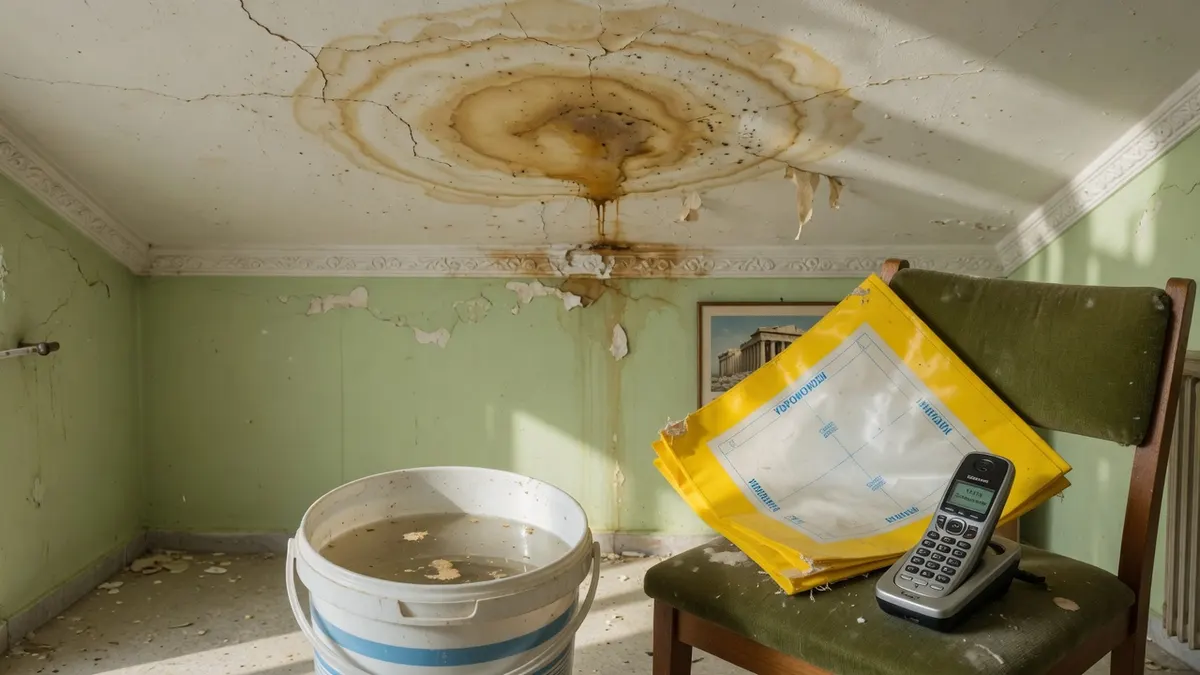
You are on a terrace when an owner rings in English from a holiday flat, or a tenant rings in German with a photo of a ceiling stain. They want to know if it is the roof, or a morning for a look. They will not wait for the colleague who is comfortable in English to come off the membrane. An assistant answers in the language it hears — 70+ languages, and it can switch if they mix Greek and English on the same call. It asks cellar, terrace or bathroom first, takes where they see the water, and refuses anything that sounds like a cause from a picture or bitumen versus membrane on the phone. It will not read a Greek report aloud and tell them what the stain means.
Key takeaways
- Leave language detection on. Pinning the line to Greek is how the 09:40 English holiday-flat stain never reaches you.
- Put the cellar-terrace-bathroom question in every language you actually hear, not only the two you staff.
- Write the callback sentence once and never vary it: someone has to see the wet. A photo is not a cause.
- Do not let it explain a Greek report, name a system, or say it is the roof because they asked in English.
- Send the SMS in the language of the conversation, with the access you need for that type.
- Read the first multilingual transcripts with the crew. That is where a soft cause sentence creeps in.
The first word is not Greek
An owner says “do you speak English?” You are on a terrace. The person who would have taken the English call is halfway through a cellar. You cannot pick up. They will not wait.
The number they dialled is the one on the van, the card in the block, and the Google listing a neighbour forwarded. Those pages are in Greek. The caller is not. In a Greek crew that is English, German and Albanian in the same week — holiday flats, tenants, owners who live abroad.
Thirty seconds of hold, or a promise that someone who speaks English will ring back, is enough. They hang up and dial the next crew. An owner who landed after rain and wants to know if the terrace is the source will not wait. A tenant standing under a stain with a photo open will not wait either.
You put the assistant on that published number. It hears the language on the first sentence and continues in it. It covers 70+ languages. If they start in English and drop into Greek for the street, it can switch. Then it asks cellar, terrace or bathroom, takes where they see the water, writes the note or books a morning that is free, and puts a sentence in front of you: someone has to see the wet. A photo is not a cause.
See pricing for how a call you pick up is treated against a call the assistant answers.
Cellar or terrace, in the language they opened
Once it is in their language, the first question is still cellar, terrace or bathroom. Those are two different jobs if one is a leak and one is a membrane before tiles. A caller who is both still gets two notes. The call being in English is not a reason to squeeze a stain and a tiler date into twenty minutes.
“I sent a photo of the stain” is a look, in any language. “The cellar is wet after rain” is a look and, if it is still coming, a flag. “Is it the roof?” cannot be finished on the phone. “Bitumen or membrane?” cannot. The assistant says so in the first reply, in the language it heard.
It checks the book before it offers a morning. It never offers a terrace day you have closed because of rain. It confirms by SMS in the language of the conversation, with the access you need. You get the transcript in the caller’s words, and a note of the language, so the callback is not working from a Greek paraphrase of an English question.
A cause travels. Fluency does not answer it.
In Greek, someone on the ground sometimes recognises the building and already knows the terrace. In English, or German, that recognition is gone. If the assistant skips the split because the call is slow, it will attach a cellar note to a terrace look, or book one morning for two jobs.
Configure the split before you turn anything else on. Collect a name, a number, where they see the water if they offer it, and the topic in their words. It does not ask them to dictate a cause, confirm a system, or spell every Greek line they cannot read on a report.
The usual extra is kindness. They cannot read the paper. They ask what it means. If the assistant summarises it, it has already said whether this is the roof, the terrace, or nothing serious. You read the paper. The assistant does not.
The reply is short. I cannot interpret the paper. Send it or bring it. I can book a morning, or I can flag this for a call back today.
A holiday flat, a tenant, an owner who lives in Germany — those stay in their words on the note. The assistant does not recast them as a cause, and it does not say the bucket can be left.
From a holiday flat, with a stain photo
An owner whose own language is German will search in German, land on a Greek listing, and ring anyway. Often from another country. Often about a ceiling they photographed after rain. Often in the same hour you are on a terrace.
Take it as a look: name, number, where they see the water if they have it, a preferred language. Do not invent a cause because they asked in German. Terrace, pipe, tanking — all change the work. A cause named before anyone has stood there is a cause you then spend the look taking back.
If they press — “just tell me if it is the roof, I sent the photo” — the assistant still refuses. Book them as soon as a morning is free. Flag it if water is still coming in. It does not say the terrace is the source from this hour.
If they ask whether you work in English or German, the assistant answers from what you entered. It does not quote a starting figure you did not mark as speakable. It does not promise you can take them on if you have closed cellars this month. It does not promise the look itself will be in German unless you have marked a person who can do that.
A report they photograph in Greek
They greet in English, give the street in Greek, and ask the cause question in English again. The assistant can switch. The cellar-terrace-bathroom question and the callback sentence stay in force in both languages.
Holiday flat. They land after rain. The assistant takes where they see the water and the dates, and books a look if a morning is free. It does not say the terrace will be done before they leave.
Water still coming in. The assistant notes that. It flags a phone. It does not tell them to open a wall.
They photograph the Greek report. They want the assistant to say what it means. If the assistant reads the paper, it has already given a cause. The crew reads the paper. The assistant does not.
The reply stays short, in the language they opened with. I cannot interpret the paper. Send it or bring it. I can take where they see the water, or I can book a look.
A photograph of last year’s neighbour is not this stain. A photograph of a yellow mark is not this terrace. The assistant does not quote either.
If they say water is running in, stop the paper. That call goes to a phone you actually hold. Collect a name and a number while it connects.
What it will not do, even in English
It will not read a Greek report aloud and tell them what the stain means. Explaining what a paper “means” is a cause.
It will not answer “is it the roof?”, “bitumen or membrane?”, or “can I leave the bucket?” because the caller is grateful you speak English.
It will not invent a figure from a description of a terrace, in any language.
It will not promise a bilingual look you do not have. Reception in 70+ languages is not a cause conversation in 70+ languages.
It will not name a system because they asked in German and they sent a picture.
The SMS and the access
A confirmation in the wrong language is how a first look misses the morning and decides the crew cannot handle them. The SMS goes out in the language of the conversation. That is a setting, not a hope. Test it.
The text carries the access you need for that type. A look is not the same list as a terrace day, and a cellar is not the same list as a bathroom membrane. An owner who spoke English should not receive a Greek list of πρόσβαση just because that is the crew default.
A look is you and the wet. A terrace day is membrane and a dry window. The language of the booking does not change the length of the visit. Turn on the SMS before you turn on anything clever.
The look language is not the call language
Answering in English gets them to a morning. It is not a promise that the look will be in English.
If only one person can take a look in English, the assistant offers times from that person’s book. If that person is on a terrace on Thursday, Thursday is not offered as an English look. If nobody can, the assistant books a morning and notes the request. It does not sound more bilingual than the crew.
Do not ask it to choose a technician from an accent. Matching language ability you actually have is configuration. Guessing from the way someone speaks is how a cellar lands on the person who only does terraces.
Do not ask it to produce a written translation of the call as a file note. The transcript is for the crew, not a certified translation. You already have the caller’s words, a summary, and the language. If they ask for a report in English, that is a note for you. The assistant does not draft it.
After rain, August, and a call from another time zone
Foreign owners ring from another time zone, often in the evening, often about a holiday-flat stain or a terrace they want before August. Tenants ring once they have opened a Greek report. After rain is when the same caller is also competing with every Greek client who is reporting a cellar.
Shorten the ring-time before forwarding, so overflow is caught and you stay on the membrane. Keep looks bookable and causes as a callback. Route water still coming in, a manager waiting, and a flight this week to a phone, in whatever language arrived.
August needs its own dates. Some of you stop for two weeks. The published number still rings. The one person who could have taken the English look is often the person on leave. Set the closure dates, set who is on the phone, and set the sentence for new cellars. Do not let the assistant book an English look into a week when that person is not in the room.
A Sunday call about water still coming in is a flag to whoever is on the same-day list, with a name and a number collected while it connects. It is not a cause walkthrough in English at 22:00.
Mixed Greek and English on the same call
They greet in English, give the street in Greek, and ask the cause question in English again. The assistant can switch. The cellar-terrace-bathroom question and the callback sentence stay in force in both languages.
If they remember the crew name and none of the wet, the assistant still asks cellar or terrace. It does not guess from the name. An owner who says “the stain, and also the bathroom membrane” still gets two notes. Mixing languages does not merge the two jobs.
Do not put a cause table in the notes. It will read the table out, in whichever language it heard. Do not put last year’s terrace system in the notes. It will read it as this stain.
What you configure first
- Do not pin the line to Greek. Detection is the default. Turning it off to keep things simple is how the English call at 09:40 never reaches you.
- What you offer, and whether you take cellars this month — said in the language that arrived.
- The cellar-terrace-bathroom question, as a required step, then where they see the water.
- The callback sentence, verbatim: someone has to see the wet. A photo is not a cause.
- Look, cellar day, terrace day and bathroom membrane as types, with the access you actually need.
- Which people can take a look in which languages. This is not the assistant inventing a bilingual service you do not have.
- Which rain days are closed and must not be offered as terrace mornings.
- The same-day phone list — water still coming in, manager waiting, they fly this week.
- SMS language = conversation language. Test it.
Then sit with the crew and read the first twenty calls that were not in Greek. You are listening for the moment it almost named a cause, almost picked a system, almost treated a cellar and a terrace as the same booking. A soft “it looks like the terrace” in fluent English is a worse error than a slightly stiff refusal.
AI receptionist, in-house staff, or a call centre
| CITT | In-house | Call centre | |
|---|---|---|---|
| Answers in the caller's language | 70+ languages, heard on the line | One or two | Whatever was staffed |
| Switches mid-call | Yes | Rarely | Transfer, if someone exists |
| Asks cellar, terrace or bathroom first | Same question in every language | If they remember | Often jumps to what morning |
| Diagnoses a photo because they asked in English | Never — someone has to see the wet | Tempted to | Tempted to |
| SMS in the language of the call | Yes | If they type it | Sometimes |
| Transcript the crew can use | Caller's words, language noted | A paraphrase | A short note, often in Greek |
What a month of unanswered English stain calls costs a small crew
Worked from these assumptions — change any of them and the answer changes:
- About 80 inbound calls a month, two people.
- This example treats 12 of those as callers who open in a language nobody on the ground speaks in that hour.
- Of those 12, 6 hang up, or ask to be called back by someone who speaks English and then do not answer.
- 4 of the 6 were new looks — a holiday-flat owner, or a tenant who sent a stain photo.
- A terrace or cellar job that becomes work is worth about €2,400 — put your own figure in, not ours.
- 4 new looks never reach the crew, because the first half-minute had no shared language.
- 4 × €2,400 = €9,600 of work in one month.
- Over 8 rain-heavy months — 8 × €9,600.
About €76,800 a year, from the first sentence of the call. Change how often those months happen.
What it costs
CITT is pay as you go: no packages, no minimum, no contract. The current rates — the monthly fee per number and the per-minute rate — are on the pricing section of the home page, which is the only place they are published.
Frequently asked questions
Do we have to set up each language ourselves?
No. The assistant recognises the language from the first sentence and continues in it, including switching mid-call if the caller changes. What you set are the facts of the crew — cellar or terrace, where they see the water, the callback sentence, the access you need — so those facts are there whatever language arrived.
Can it explain a Greek report to someone who does not read Greek?
No, and you should refuse any system that will try. Explaining what a paper “means” is a cause, even when the motive is kindness. It records that the caller has a paper, books a look or flags a callback, and tells them to send or bring it. The crew reads it.
What if the caller mixes Greek and another language?
That is common on this line, especially with addresses and the word for terrace. The assistant can switch mid-call. The cellar-terrace-bathroom question and the callback sentence stay in force in both languages. A mixed call is not a reason to drop the rule.
Will the SMS go out in Greek to someone who spoke English?
It should go out in the language of the conversation. That is a setting, not a hope. A look confirmation in the wrong language is how a first cellar misses the morning and decides the crew cannot handle them.
Does an answer in English mean the look will be in English?
No. Reception in 70+ languages is not a cause conversation in 70+ languages, and it is not a promise that the look itself will be in English unless you have marked a person who can do that. It gets the caller to a morning they can book. The look is still yours. If only one person can take it in English, the assistant offers times from that person's book.
Is the transcript usable if the call was not in Greek?
You get the caller's words, a summary, and a note of the language. That is more usable than a Greek paraphrase written from memory between two other wet jobs. A crew that needs a full written translation of a long call still commissions one. They are not starting from nothing.