Book plumber visits without mixing a burst pipe
Quick summary
- The assistant reads the book before it offers a time, so a burst is never offered as a mixer hour.
- A twenty-minute leak visit and a balcony heater are different bookings. Get that wrong and a tank sits in a washer hour.
- Stopcock first. Then burst, no hot water, or kitchen leak. Then the book.
- Gas, or a floor that is still filling, is not a booking. That call goes to a phone you hold.
- If the assistant cannot read the book, it takes a callback. It does not guess Thursday.
- The assistant texts the time, the type, and what to leave clear under the sink.
TL;DR
You are under a sink. A caller who wants a heater visit will not wait for a callback just to learn whether Thursday is free. An assistant can book those hours if it reads the book first, treats a leak visit as different from a tank look, and asks burst, no hot water or kitchen leak before it places anything. A wet floor is a note. A heater is a visit. A gas mention is not a new visit type. If the book cannot be reached, the assistant does not guess. It takes the request and says so.
Key takeaways
- Give the assistant the types and their real durations before you let it book — leak visit, heater, mixer, cistern, stack look.
- Mark freeze call-out hours and visit days in the same book it reads, including August.
- Test a move on an existing leak visit and on a heater, separately, before you test a new tank.
- Turn on the SMS at the moment of booking, with what to leave clear for that type.
- If the book cannot be reached, the only answer is a callback.
- Check the first fifty bookings by hand. That is when you find the hour that was a burst put into a mixer.
When someone wants a time and you are under a sink
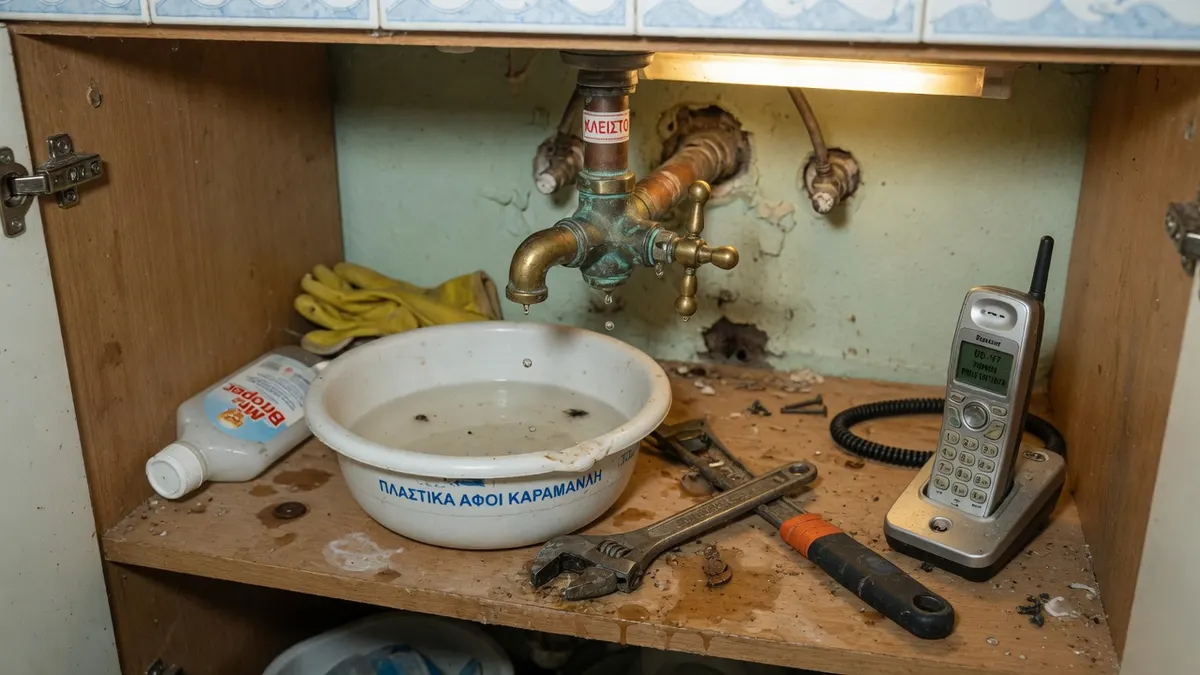
Both hands are on a joint. The phone rings.
A landlord wants Thursday at eleven for a balcony heater. A shop wants twenty minutes for a slow leak. A building manager wants a look at the stack. You cannot pick up. The cabinet is still open.
A caller who only needed to know whether Thursday is free will not wait for you to wipe the floor. They ring the next plumber on the list. An assistant can give them a time that is actually in the book, if the types are marked and if a burst is not allowed to land in a mixer hour.
Three visits that are not the same hour
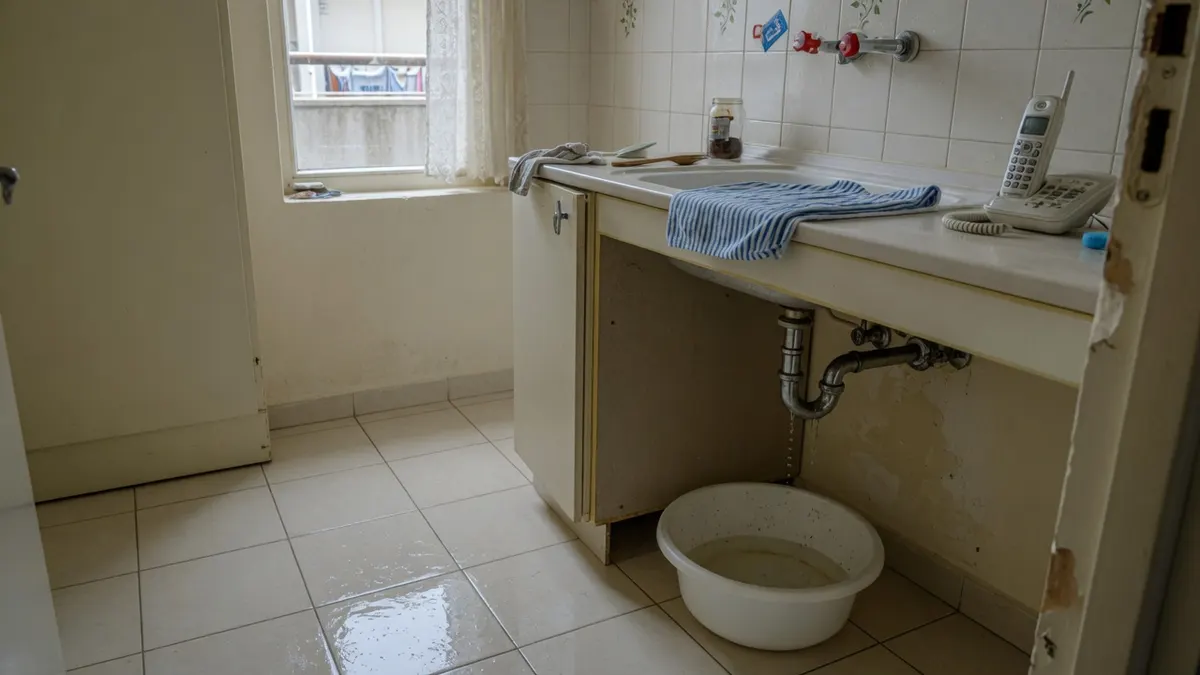
Leak visit. Slow. Cabinet wet. Stopcock holding. Short. The assistant offers the duration you marked. It does not turn this into a heater conversation because they also asked about the tank.
Water heater. Balcony or cupboard. Element, thermostat, or a tank you have not opened. An hour if that is what you marked. Access is the balcony key and a clear path to the heater. The assistant does not quote from a photo. It does not tell them to open the gas before you arrive.
Stack look. Building manager on site, or a resident who is not allowed in the shaft. Different access. Do not let a resident book a stack hour the manager has not agreed. The assistant takes who is calling and whether the manager will be there.
A burst is not a fourth visit type. It is a note and a ring to you. A gas mention is not a fifth. It is a transfer.
If those five land in one column called “plumbing”, Thursday fills with people who needed twenty minutes while the balcony that needed an hour is given a washer slot at the door.
What must be in the book before it offers a time
The hours you actually run, including evenings if you take them. The hours you do not. Freeze mornings you have closed for call-outs. August. The visit types with real durations.
A time the van has already given to a heater cannot be offered to a mixer. The assistant has to read the same book you work from, not last week’s pad on the dash.
If the book cannot be reached — no signal in a basement shaft, the calendar offline — the assistant does not invent Thursday. It takes the request, says the plumber will confirm, and flags you. A person who arrives for a heater that was never written down is worse than a callback.
Access the SMS has to name
A heater visit that arrives to a locked balcony is an empty hour. A leak visit that arrives to a flat with no one home is the same empty hour. A stack look without the manager is a van on the pavement.
The confirmation has to name the type and what to leave clear. Balcony open. Under-sink empty. Manager on site for the stack. For a leak visit, someone in the flat who can show which joint is wet.
The SMS goes in the language of the call. A German tenant who booked in German and gets a Greek text will miss the balcony instruction.
Do not put a price in the confirmation. Do not put a gas-valve instruction in the confirmation. The text is the time, the type, and the access.
Moves, cancellations, and “while I have you”
“Move Thursday” is not enough. Thursday may hold a leak and a heater. The assistant asks which job, then the address, then looks at the book. Cancel, then book. Their own visit still occupies the old hour until the cancel is written.
“While I have you, is it the element?” is a visit question, not a booking question. The assistant does not answer it from a photo. It keeps the move, and it marks the question for the visit.
“While I have you, I can smell gas by the heater” is no longer a move. That is a transfer. The assistant stops the diary work and puts the call on your phone. It does not keep chatting about Monday’s visit while they describe a valve.
Cancellations the day before free an hour. No-shows do not. Let them cancel through the assistant. Write it back into the same book.
What it will not book
A burst with water still running. A gas mention. A shop with a wet floor and a “how long”. Those are phones, not hours.
A leak price from a puddle photo. A promise that a cistern float can be bent over the phone. A communal stack without the manager named.
A heater into a week you marked closed. A mixer into a freeze morning you marked for call-outs only.
If they insist — “just put me down, I’ll wait on the balcony” — the assistant still checks the book. If the hour is not free, it is not offered.
How CITT handles the book
It reads the calendar the van already uses. It offers only hours that are free for that visit type. It writes the job in at the moment of booking. It texts the time, the type, and the access list. It can remind them the day before.
It asks stopcock, then the job type, before it looks at a time. It never books a gas valve. If the calendar is unreachable, it takes a callback.
You see the transcript, the type, the address, and whether they asked a question the assistant refused.
What you mark first
Visit types and durations. Freeze hours closed to mixers. August. Who can approve a stack look. The sentence that forbids a gas valve and a price from a photo. The same-day phone list: burst, water still running, gas, wet shop.
Then test. Move an existing leak visit. Move an existing heater. Book a new tank visit. Read the first fifty by hand. That is where a wet kitchen has been sitting in a balcony hour.
Rates live on the pricing section of the home page. They are not repeated here.
The hour that looks free and is not
A hole between two call-outs on the map is not a heater visit. Travel across Athens at eleven is not twenty minutes. If you do not mark travel, the assistant will offer Pagrati at 11:00 to a van that is still in Kallithea at 10:40.
Mark areas if you work that way. If you do not, at least mark durations long enough that a balcony heater cannot land in a leak gap.
The building manager who wants “any time Thursday” has not given you access. The assistant still needs a window the manager will actually open. A stack look booked against a closed shaft is an empty hour with tools on the pavement.
What the client hears when the type is wrong
They come for a heater. You have twenty minutes. You open the tank, you see a job that needs parts, and you have to leave for a leak in the next street. They decide you do not do heaters. They ring the next van.
That is why the split exists on this phone before the book opens. Burst, no hot water, kitchen leak. Then the address. Then an hour that matches the work.
A confirmation that says only “Thursday 14:00, plumbing” is how that mix starts. Name the type in the SMS. Name the balcony. Name the manager if the stack is the job.
If they booked a mixer and they also want the heater, that is two visits or one longer visit you have marked as combined. The assistant does not squeeze a tank into a mixer hour because they asked at the end of the call.
After the visit is in the book
The van still has to do the work. The assistant does not replace the heater visit. It replaces the twenty minutes you would have spent ringing back to say Thursday is free.
When you close a freeze morning, the book has to show it. Otherwise the assistant will fill it with mixers while you are under wet floors, and the mixers will wait in empty bathrooms.
When a burst comes in on a day that already has a heater, the heater stays until you move it. The assistant does not cancel Thursday’s balcony because someone in Kallithea described water. It puts the burst on your phone. You decide which job moves.
That split — emergency on a phone, visit in a book — is the whole point of the types. Mix them and you own both the missed tank and the gas sentence you never wanted said.
AI receptionist, in-house staff, or a call centre
| CITT | In-house | Call centre | |
|---|---|---|---|
| Reads the book before offering a time | Yes, the book the van works from | Yes | Usually not — takes a message |
| Books evenings and Saturday mornings | Yes, if you marked them | No | Sometimes |
| Treats a leak visit as different from a heater | If you marked the two types | Yes | Rarely sees the week |
| Starts with stopcock, then the job type | Yes — before it looks at the book | Yes | Often jumps to what time |
| Books a gas mention as a visit | Never — puts that call on your phone | You decide after you hear gas | Sometimes books "a look" |
| Sends the confirmation and what to leave clear | Automatically, by SMS | If they remember | Sometimes |
What a month of empty heater visits costs
Worked from these assumptions — change any of them and the answer changes:
- One van. About 30 booked times a month for leak visits, heaters, or mixers.
- An empty heater hour is not given to a burst the same morning.
- About 11% of booked times arrive with nobody home, or the balcony locked. Check your own figure. Vans vary.
- Recoverable value of a used hour, €100. Put your own figure in. A heater visit and a twenty-minute leak are not the same.
- A reminder that names what to leave clear cuts empty times by a third. Challenge this first.
- 30 times × 11% = about 3 empty times a month.
- 3 × €100 = €300 of reserved time sitting empty.
- A third avoided returns about €100 a month.
- Over 11 working months — 11 × €100.
Roughly €1,100 a year, from a text that names the balcony key, not only the time.
What it costs
CITT is pay as you go: no packages, no minimum, no contract. The current rates — the monthly fee per number and the per-minute rate — are on the pricing section of the home page, which is the only place they are published.
Frequently asked questions
Can it book a heater visit while I am under a sink?
It reads the same book the van works from and checks the hour before offering it. A morning you have closed because you are on freeze call-outs is never offered as a heater, if you marked it. Leak visits can still be offered that day if you will be in the area. If the assistant cannot reach the book at that moment, it does not guess. It takes the request as a callback and says so. A heater the van has no record of is worse than no visit. The client turns up on the balcony and the job was never written down.
What about someone moving an existing time?
The assistant asks burst, no hot water or kitchen leak first, then the address or the name on the job, and treats the move as one change. Handled as cancel, then book, Thursday is still taken by their own visit, and they are told that time is not free. A client who has a leak visit and a heater on the same phone must say which visit is moving.
Will it book a time to open a gas valve?
No. A gas mention, a smell, or a boiler valve is a transfer to a phone you hold, not a slot in Thursday. The assistant will book a leak visit or a heater if you allow those types. It will not book a session in which it walks them through a gas tap. The plumber looks at the heater — a person, not the voice on the phone.
Should it book a mixer against any free hour?
A mixer is a visit with a duration you mark, not a hole between two call-outs. Mark how long you actually take. A kitchen tap and a full bathroom set are not the same hour. The assistant offers only the kind of visit you marked. It does not promise a price from a photo of the fitting.
Who sends the confirmation?
The assistant, by SMS, in the language of the conversation, at the moment of booking, including what to leave clear for that type — under-sink access, balcony open, the manager on site for a stack look. The reminder goes out ahead of the time on the schedule you set.
Can clients cancel through it too?
Yes, and you should let them, especially on heater visits when the landlord moved. A cancellation the van hears about the day before is an hour that can go to a leak in the same street. The same cancellation arriving as a no-show is an hour gone. Cancellations are written back to the book the same way bookings are.