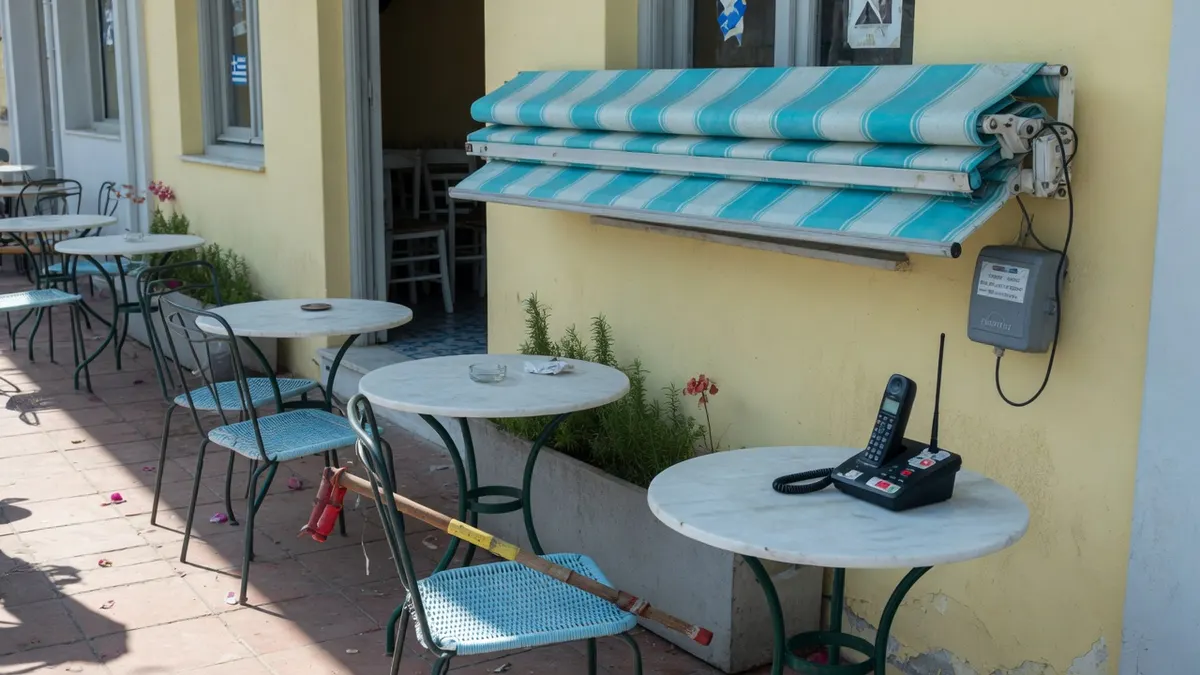
Terrace reminders and fabric-photo chase for awning shops
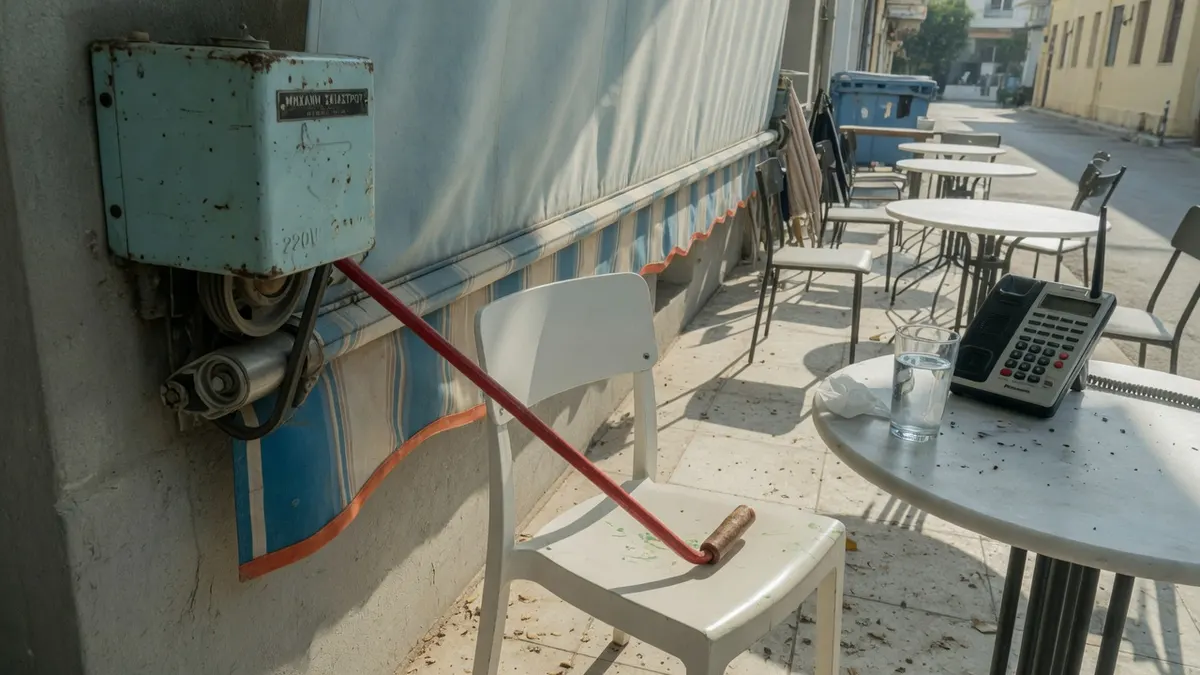
Quick summary
- You are on a terrace with the tape. The measure-up list and the missing wind photos still have to be chased.
- The list is a named façade, a visit reminder, or a photo chase. Not a second opinion on Saturday's install.
- Every call starts with the address and the name on the file. If they do not recognise them, the call stops.
- It does not quote a wall. Missing photos are a yes or no. What those photos mean is a callback.
- If they ask for Saturday from the picture, the assistant writes the question down and says the tape goes on the wall.
- SMS does the first reminder. The voice call is for the café that has still not confirmed the morning before.
TL;DR
You are on a terrace with the tape. Eight measure-ups are still unconfirmed and Wednesday's wind photos never arrived. Nobody is going to spend the afternoon ringing. An assistant works the list you give it: address or name on the file, one purpose. It asks whether the photos have been sent. It does not say what those photos mean, whether Saturday is free, or what a terrace will cost. If they ask, it writes the question down and says the tape goes on the wall. It can book a measure-up if that morning is free. It will not ring a waiter's mobile about someone else's cassette.
Key takeaways
- Build each list from your own files: address or name, the number on the file, and one purpose.
- Do not put a waiter's mobile on a chase unless that number is the number on the file.
- Write the purpose as a reminder or a chase, not as a question about a weekend install.
- If the client asks for Saturday from the photo, the assistant ends the call and flags the shop to call back.
- Check the book before you speak a morning. Do not read Thursday off last week's pad.
- Keep prices and kit advice off the script. The tape goes on the wall.
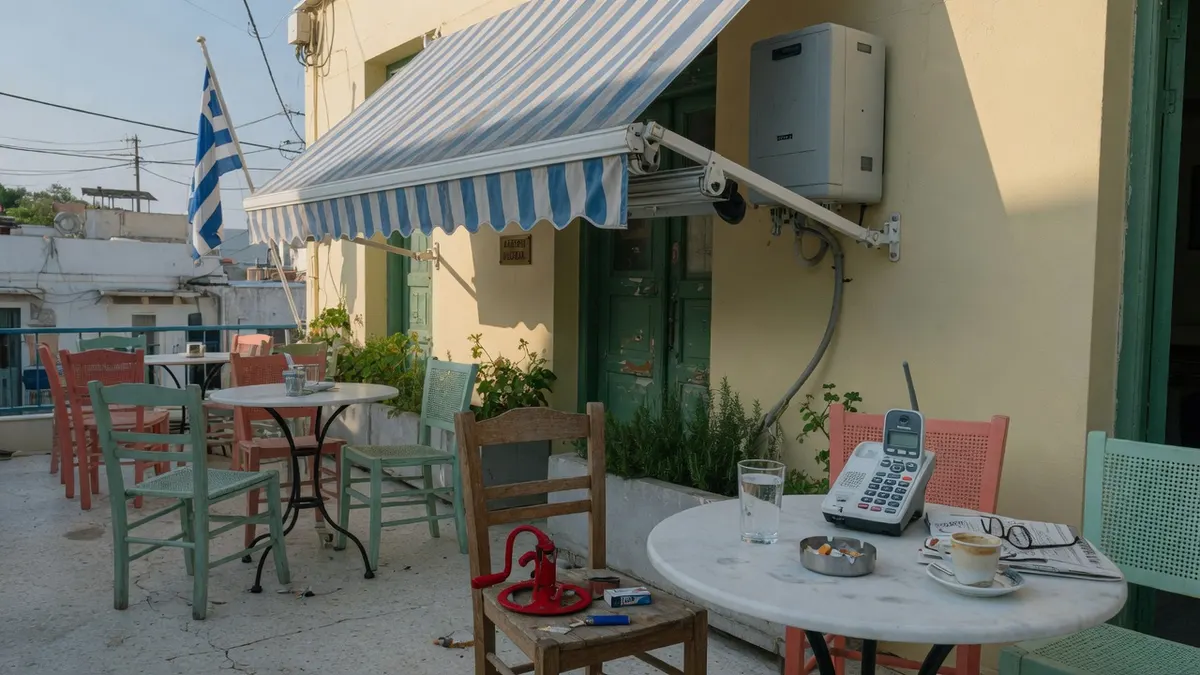
The lists in the workshop while the tape is on a cassette
The cassette is not marked yet. Eight measure-ups are still unconfirmed. Wednesday’s wind photos never arrived. You are not going to spend the afternoon ringing.
That is the outbound problem in this shop. Not a campaign. Not a hunt for new cafés. A list of people you already know, an address you have already written down, and nobody free to ring because both hands are on a tape.
The work is small and it is exact. Did you send the photos. Can you clear the chairs Thursday. Motor or crank as we have it. It is not “we’ll fit it Saturday”. It is not “a terrace is usually this”. Those two sentences turn a chase into an install, or into a price before the tape.
One purpose, one number, one façade
Build the list from the file. Address, name, the number on the file, one purpose. A chase that also asks whether they want a pergola as well is two jobs. Only the first belongs on this call.
If the person who answers does not recognise the terrace, stop. Do not brief a waiter. Do not brief a neighbour. Do not try the next number on a scrap of paper. The assistant rings the number you gave it, says the address, and ends the call if the voice is wrong.
SMS does the first reminder. The voice call is for the café that has still not confirmed the morning before, or the photos that have still not arrived two days after the wind.
What the assistant may ask
Have the photos been sent. Can you clear the chairs Thursday. Do you still have the window from 09:00. Motor or crank as on the file.
That is the list. If they say yes, note it. If they say no, note it and, if you allow a measure-up, check the book before offering a window. If they ask for Saturday from the picture, write it down, refuse it, and end the chase.
Do not let the script drift into “we can do the weekend if you confirm now”. Weekend is an install.
What it will not say on the way out
It will not quote a wall. It will not pick motor or crank as advice. It will not invent an arrival so they will send the photos faster. It will not confirm Saturday’s fit.
If the chase reaches fabric over tables, that is no longer a chase. Flag a phone. A reminder list is not a dispatch board.
What you set first
Export the files. One purpose each. Numbers from the file only. The sentence that forbids a Saturday from a photo. The book check before any window. Read the first twenty outbound transcripts. That is where “we’ll squeeze you in this weekend” creeps in, because it sounded like it would hurry the photos.
Rates live on the pricing section of the home page. They are not repeated here.
Photos, measure-ups, and sensors are three lists
Do not mix them on one pad. A photo chase that also reminds them of Thursday’s measure-up will skip the photos to save the morning, or skip the morning because the wind sounded more urgent. Two lists. Two purposes. Two calls if both are still open.
A sensor-look reminder names the address, the window, and access to the wall box. It is not a reading of the kit. The assistant names the look you typed. It does not tell them to disable the sensor.
A measure-up reminder names the terrace, the window, motor or crank, and the chairs. It does not add “we can also fit it Saturday”. That is an install.
When they call back on the same number
Sometimes the chase becomes an inbound. They ring the number that just called them and ask for Saturday again. The assistant is still the assistant. The split is still measure-up or sensor. The refusal is still the refusal. A returned chase is not permission to answer what the outbound script forbade.
If they are angry that a machine rang them, take that as a note. Do not apologise with a weekend. Do not offer to “just put you in on Saturday” to calm them.
Stop if a new voice picks up. A waiter is not the owner. A supplier on the terrace is not the café. The file has one number. Use it.
How to know it worked
Count the open wind files two days after the night. Count them again after the chase has run. The measure is photos returned and mornings confirmed, not calls made. A hundred polite calls that still leave the pad without pictures have not done the work.
Do not count “minutes saved” as a published statistic. The worked example above is arithmetic on stated assumptions. Put your own figure in. A shop that lives on cafés and a shop that lives on balconies are not the same pad.
Whoever takes the first confirmed measure-up often takes the order. That is why an unchased terrace is not only a missing photo. It is a café that now thinks the last shop they rang is the one that still answers.
AI receptionist, in-house staff, or a call centre
| CITT | In-house | Call centre | |
|---|---|---|---|
| Photo chase after a windy night | Yes, from your list | When someone has time | If you write a script |
| Measure-up and sensor-look reminders | Yes | Yes | Sometimes |
| Starts with the address or the name | Yes | Yes | If you insist |
| Promises Saturday to hurry the photos | Never — the tape goes on the wall first | Only after the quote is signed | A risk if the script drifts |
| Answers what the terrace will cost | No — flags the shop | After the tape | Must not; sometimes does |
| Offers a measure-up the book does not have | No — checks the book, or takes a callback | If they check | Often from last week's pad |
| Rings a waiter about someone else's cassette | No — only the number on the file | Only if you said so | A risk if the list was not read |
What unchased wind photos cost one week
Worked from these assumptions — change any of them and the answer changes:
- Two people, 12 open repair files after a windy night, each waiting on photos of the fabric.
- This example treats 5 of those 12 as still missing two days later.
- A file that sits incomplete, or is pulled when the photos arrive at four, wastes about €85 of reserved time — put your own figure in, not ours.
- A two-day outbound chase recovers half of those missing folders. Challenge this first; shops vary.
- 5 files still open on paper, two days out.
- Half recovered — 2 files that move on the photos they needed, this example rounds down.
- 2 × €85 = €170 of reserved time protected, in one week.
- Several such weeks a year — this example counts six wind weeks.
About €1,020 a year of shop time, from calls that only ask whether the photos have been sent.
What it costs
CITT is pay as you go: no packages, no minimum, no contract. The current rates — the monthly fee per number and the per-minute rate — are on the pricing section of the home page, which is the only place they are published.
Frequently asked questions
Can it tell them which photos are missing?
It can name the folder you put on the list — the torn cloth, the arms, the cassette from the pavement. It should not rebuild the repair on the call, and it should not decide that a particular picture is enough for a quote. If they ask for Saturday from the picture, that is a callback. The tape goes on the wall.
What if they ask you to pick motor or crank, on the chase call?
The assistant does not answer. It says the tape goes on the wall, takes the question in the client's words, and ends the chase. A chase that becomes kit advice has no measure, no file note of a decision, and no shop attached. The transcript still helps — you return a real question rather than “they rang”.
Can it offer a new morning to measure?
Yes, if you allow that purpose and if it checks the book before it offers a window. It still does not tell them what the wall means beyond the list you entered. A reminder that starts booking Saturday has stopped being a reminder.
Does it still ask for the address when we ring?
Yes. The call opens with the shop name, the address or the name on the file, and it stops if the person on the line does not recognise them. That is how you avoid briefing a waiter about a terrace, or a neighbour about a balcony.
Can it chase a measure-up from an existing café?
As a visit reminder, yes: we have a morning this week, can you clear the chairs, here is motor or crank as we have it. Not as a sentence that Saturday is booked, and not as a price. “We still have Thursday, 09:00 to 13:00, for the Drakou terrace” is reception. “We'll fit it this weekend” is an install.
Who decides who is on the list?
The shop. The assistant does not invent people to ring. You export or tick the files that need a reminder or a chase, with one purpose each. A list that mixes “where are the photos” with “see if they want a pergola as well” is two jobs, and only the first one belongs here.