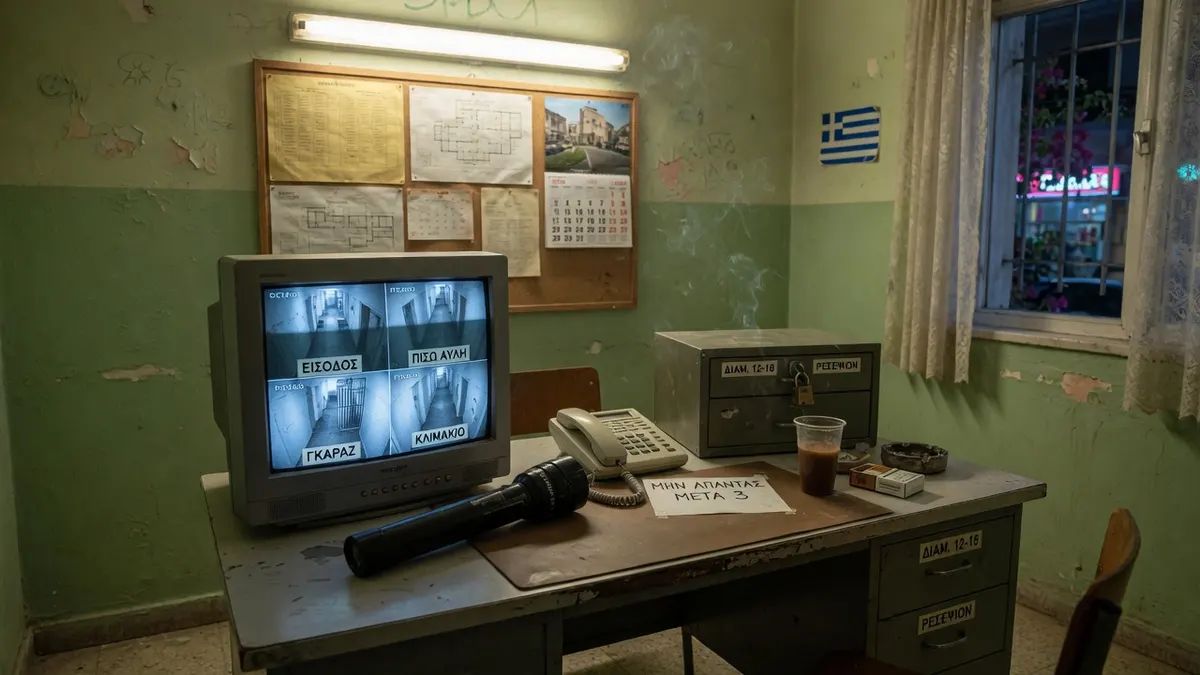
Book security visits without giving away a patrol
Quick summary
- The assistant reads the diary before it offers a time, so a key collection is never offered as a new-site look.
- A time to collect a fob and an hour at a new gate are different bookings. Get that wrong and a manager sits in ten minutes reserved for a walk.
- Alarm or visit first. Then the site. Then the diary. A route is not a visit type.
- Anything that sounds like a pass time, a roster name, or an arrival stays a callback. The desk looks at the radio.
- If the assistant cannot read the diary, it takes a callback. It does not guess.
- The assistant texts the time, the type, and who must be at the gate with ID, so the person who arrives is a person you can use.
TL;DR
You are already on an alarm. A caller who wants a time will not wait for a callback just to learn whether Thursday is free. An assistant can book those times if it reads the diary first, treats a key collection as different from a new-site look, and asks alarm or visit before it places anything. An alarm is a note. A visit is a visit. A patrol question is not a new visit type — the desk looks at the radio. If the diary cannot be reached, the assistant does not guess. It takes the request and says so. The assistant texts the time, the type, and who must wait at the gate with ID.
Key takeaways
- Give the assistant the types and their real durations before you let it book — key collection, access-list change, new-site look.
- Mark radio-hold hours and night-desk days in the same diary it reads, including August.
- Test a move on an existing key collection and on a site look, separately, before you test a new contract.
- Turn on the SMS at the moment of booking, with who must be at the gate and with what ID.
- If the diary cannot be reached, the only answer is a callback.
- Check the first fifty bookings by hand. That is when you find the hour that was a route question put into a site look.
When someone wants a time and you are on an alarm
One of you is waiting for a keyholder. The other is at a gate that will not lift. The phone rings.
A contractor wants Thursday at eleven to leave the basement set. A manager who took over a block this morning wants a look today. A porter wants ten minutes to add a fob. You cannot pick up. The radio has not come back.
Those three callers are asking for a time. They are not asking for a route. They will not wait for a callback just to learn whether Thursday is free. If the assistant can read the diary, it can put the right type in the right hour. If it cannot, it must say so. A manager at a gate you did not write down is worse than no visit.
The first question is still alarm or visit. A panel in the night is not a gap at eleven. A missing relief is not a booking. Only then does the assistant look at the book.
Two kinds of time, and a third that is not a time
Key collection. Ten or twenty minutes at the cabinet. They bring the set, or they take a fob. Someone must wait with ID. Mark the duration. Mark who must be there. If the assistant offers this hour as a site look, a manager arrives expecting a walk and finds a hook.
New-site look. You, a gate, an hour. The building in Marousi, the yard in Aspropyrgos, the shop that wants a night porter. Mark these mornings on the same diary the night desk already uses. Do not let the assistant drop a look into a radio-hold hour.
Access-list change. A name on, a name off. Short. Not a look. Not a patrol briefing.
Not a visit. “What time does the van pass?”, “is Giorgos on Thursday?”, “can we walk the route together so I know when you come?”. The assistant does not book those. It takes a name and a number. The desk looks at the radio. A route is not an appointment type you offer to whoever rings.
If you only give the assistant one column called “visit”, it will fill the week with the wrong bodies at the wrong doors.
Moves, ID, and a time the diary does not have
A caller who says “move Thursday” has not said which visit. Ask the site first. Ask which type. Cancel, then book. If Thursday is still their own key collection, say that time is not free. Do not invent a second Thursday because they sounded rushed.
ID at the gate is not a courtesy. A look at a new site with nobody who can open it is an hour on the pavement. Put who must wait, and with what, in the SMS. A contractor who arrives without the issue sheet is not a completed collection.
If the diary cannot be reached — the link is down, the book is open on a paper pad the assistant cannot see — the only honest sentence is a callback. Guessing a hole is how a manager and a keyholder arrive at the same gate.
Night-desk hours belong in the same diary. A look at 09:00 on a morning after a storm of panels is not a hole. Mark it closed, or the assistant will offer it.
What it will not put in the book
It will not book a patrol briefing. It will not book “a chat about when the van comes”. It will not put a missing relief into a free hour as if a body were a slot. It will not offer a site look in a radio-hold. It will not confirm a time it has not written.
It will not send an SMS that names a route, a roster, or which gate the van uses. The confirmation is the type, the time, the site, and who waits with ID.
If they ask for Saturday because the old contractor leaves on Friday, the assistant offers a collection if Saturday is in the diary. It does not invent a patrol to cover the weekend from the greeting.
What you set first
Give it the types and the minutes they actually take. Mark radio-hold and night-desk days, including August. Write the ID line for the SMS. Write the sentence that forbids a route as a visit type. Test a move on a key collection and on a look, separately, before you let it touch a new contract.
Check the first fifty bookings by hand. That is when you find the hour that was a stranger asking for a pass time, filed as a site look.
Rates live on the pricing section of the home page. They are not repeated here.
Alarm notes are not bookings
A panel at 03:00 is a note with the site and whether anyone is inside. It does not become “come at four” unless a human who can see the radio says so. If the assistant is allowed to turn every alarm into a visit, the diary fills with hours nobody can keep, and the real look for the Marousi block is pushed to next week.
Teach it the stop: alarm stays a note, plus a flag if there is movement. Visit stays a visit, plus a type. The two meet only when you, looking at the board, decide a human should go.
A contractor who wants to leave keys at 03:00 is still a collection, and 03:00 is not a cabinet hour unless you marked the night desk to take keys. Most firms do not. The assistant offers the next cabinet hour. It does not tell them to wait at the back gate for the van.
Who must be at the gate
A new-site look without the person who holds the door is an hour on the pavement. Put the name they gave, or the role — manager, porter, owner — in the booking. The SMS repeats it. If they say “anyone will be there”, write that, and flag it. Anyone is how you arrive to a locked shutter.
A key collection without the issue sheet is a hook that still does not match. Ask whose name was on the sheet. Put that in the note. If they do not know, it is still a collection, and you bring the cabinet book.
Do not let the assistant add a second person to the SMS who was not on the call. A spouse at home is not a keyholder. A colleague who “might be at the yard” is not ID.
When two visits share one phone
A manager rings to move the key collection and, in the same breath, wants a look at a second block. That is two bookings or one booking and a callback. If the assistant writes both into the same Thursday hour, you will do the cabinet and miss the gate.
Ask which is moving. Book that one. Take the second as a new request, with its own type and its own morning. If they insist it is “the same visit”, say the cabinet and a new gate are not the same visit. Offer two times. Let them choose.
A porter who wants a fob and also wants to know the pass time is one short booking and one refusal. Do not create a third type called “fob plus route”. There is no such type.
After the SMS goes out
The confirmation is the record. If the type is wrong on the text, the type is wrong at the gate. Read the first week’s messages. A key collection that went out as “site visit” is how a manager brings a camera and a list of questions you did not staff.
Reminders go out on the schedule you set. A reminder that names the site and the ID is useful. A reminder that says “we will see you when the van passes” is a route. Do not allow that sentence in the template.
Cancellations come back into the same diary. A collection cancelled at 18:00 is a cabinet hour you can give to the next contractor. A cancellation that sits in a chat until morning is an hour you already lost.
If they cancel because they wanted a route all along, keep the refusal on the file. Do not rebook them as a look so they will stop asking. A look is a look. A route is still not a visit.
The week you actually staff
Monday after a storm of panels is not a week of looks. Mark it. April, when buildings change hands, is a week of looks. Mark that too. The assistant cannot know the difference unless the diary says so.
A two-person desk that tries to book eight looks in a week you already closed for the radio will fail in public, at the gate, with a manager who took the morning off. Put the closed hours in first. Then let it book what is left.
The value in the worked example is a used hour, not a signed contract. A look that nobody attends still cost you the van. A text that names who waits is cheaper than that hour. Put your own figure in. A firm that lives on warehouses and a firm that lives on blocks are not the same diary.
Whoever takes the first look often keeps the site. That is why a booking that never reached the book is not only an empty hour. It is a manager who is now standing at someone else’s gate.
AI receptionist, in-house staff, or a call centre
| CITT | In-house | Call centre | |
|---|---|---|---|
| Reads the diary before offering a time | Yes, the diary the desk works from | Yes | Usually not — takes a message |
| Books evenings and Saturday mornings | Yes, if you marked them | No | Sometimes |
| Treats a key collection as different from a site look | If you marked the two types | Yes | Rarely sees the week |
| Starts with alarm or visit | Yes — before it looks at the diary | Yes | Often jumps to what time |
| Books a patrol briefing | Never — the desk looks at the radio | The supervisor does, after the file | Sometimes books "a route chat" |
| Sends the confirmation and who must wait with ID | Automatically, by SMS | If they remember | Sometimes |
What a month of empty site looks costs
Worked from these assumptions — change any of them and the answer changes:
- Two people. About 28 booked times a month to collect a key, change an access list, or walk a new gate.
- An empty site-look hour is not given to someone else the same day.
- About 10% of booked times arrive with the wrong person, or nobody comes. Check your own figure. Firms vary.
- Recoverable value of a used hour, €110. Put your own figure in. A new-site look and a ten-minute key collection are not the same.
- A reminder that names who must wait with ID cuts empty times by a third. Challenge this first.
- 28 times × 10% = about 3 empty times a month.
- 3 × €110 = €330 of reserved time sitting empty.
- A third avoided returns about €110 a month.
- Over 11 working months — 11 × €110.
Roughly €1,210 a year, from a text that names who waits at the gate, not only the time.
What it costs
CITT is pay as you go: no packages, no minimum, no contract. The current rates — the monthly fee per number and the per-minute rate — are on the pricing section of the home page, which is the only place they are published.
Frequently asked questions
Can it book a site look while I am already on an alarm?
It reads the same diary the desk works from and checks the time before offering it. A morning you have closed because you are on the radio, or because the other person is already at a gate, is never offered as a look, if you marked it. Times to collect a key can still be offered that day if someone will be at the cabinet. If the assistant cannot reach the diary at that moment, it does not guess. It takes the request as a callback and says so. A meeting the desk has no record of is worse than no meeting. The manager turns up at a gate and nobody is free.
What about someone moving an existing time?
The assistant asks alarm or visit first, then the site, and treats the move as one change. Handled as cancel, then book, Thursday is still taken by their own visit, and they are told that time is not free. A client who has a key collection and a site look on the same phone must say which visit is moving.
Will it book a time to walk the patrol route with them?
It will book a look at a new site, or a time to collect a key, if you allow those types. It will not book a session in which the assistant itself describes a route. A route is not a public appointment. The desk looks at the radio — a person, not the voice on the phone.
Should it book a missing relief against any free hour?
A missing relief is not a booking. It is a flagged note or a transfer. Mark it on the same-day phone list. The assistant takes the site and the clock-on. It does not invent that a body is free at eleven. It does not read the roster into a gap in the diary.
Who sends the confirmation?
The assistant, by SMS, in the language of the conversation, at the moment of booking, including who must be at the gate and with what ID. The reminder goes out ahead of the time on the schedule you set. Neither requires anyone at the desk to type a number.
Can clients cancel through it too?
Yes, and you should let them, especially on key collections after a contractor finished. A cancellation the desk hears about the day before is a time that can go to someone who still has to return a fob. The same cancellation arriving as a no-show is an hour gone. Cancellations are written back to the diary the same way bookings are.